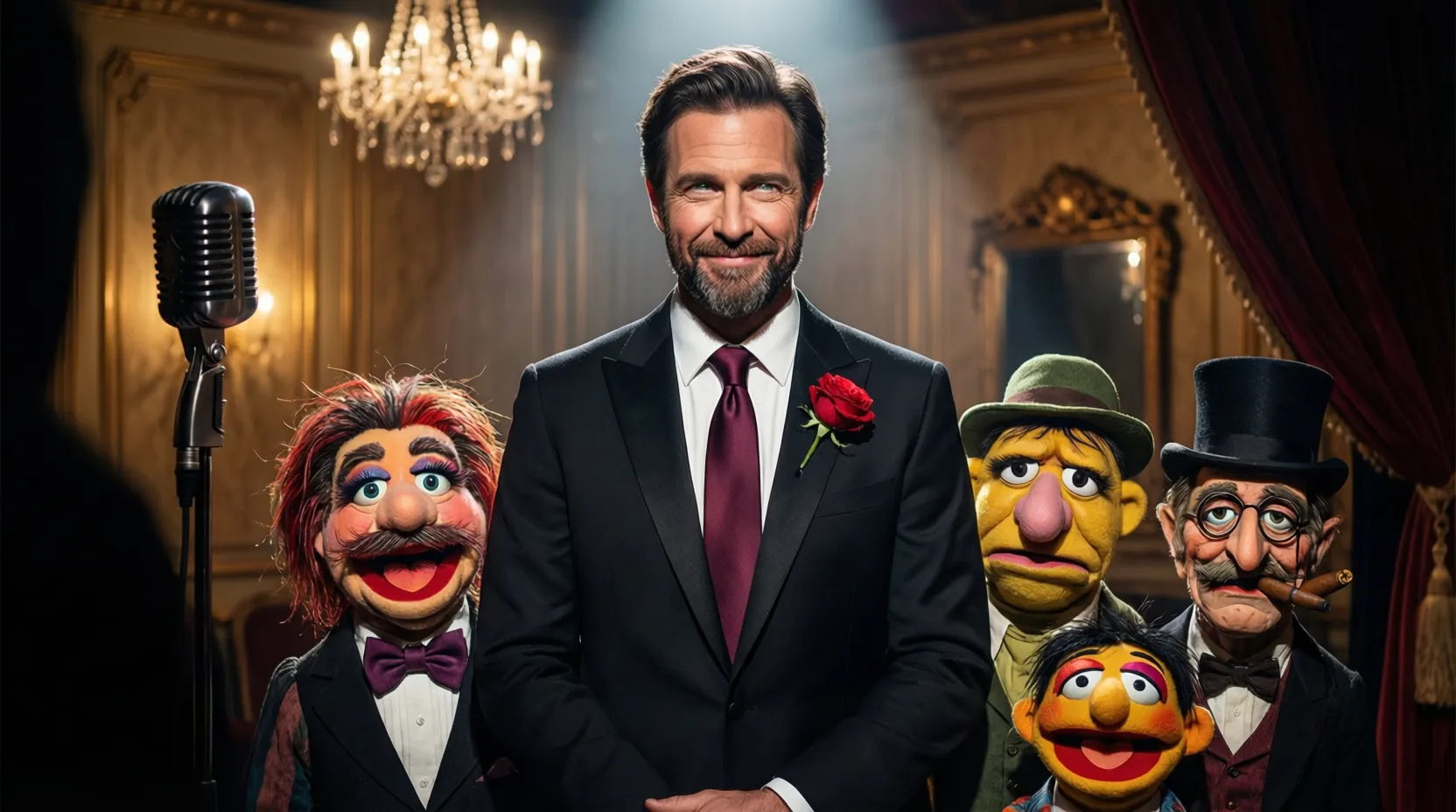

Bill Murray is one of Hollywood’s most recognizable and unconventional stars, known for his unique comedic style, timeless performances, and decades long career in the entertainment industry.
From his early days on Saturday Night Live to becoming a global icon through blockbuster films like Ghostbusters, Groundhog Day, and Lost in Translation, Murray has built a legacy that few actors can match.
With such an extensive and influential career, it’s no surprise that fans and industry observers alike are curious about Bill Murray’s net worth.
Unlike many celebrities who chase constant high paying roles, Bill Murray has taken a selective and often unpredictable approach to his career balancing commercial success with critically acclaimed projects.
This strategy has not only shaped his artistic reputation but also played a major role in his financial success.
In this article, we’ll take an in depth look at Bill Murray’s net worth, exploring his career earnings, business ventures, investments, assets, and the financial decisions that have helped sustain his wealth over time.
Early Life & Financial Background
Bill Murray was born on September 21, 1950, in Wilmette, Illinois, into a large Irish Catholic family. He was the fifth of nine children, and his upbringing was far from luxurious. Murray’s father worked as a lumber salesman, while his mother managed the household, meaning financial discipline was a necessity rather than a choice. This modest background played a significant role in shaping Murray’s grounded personality and unconventional outlook on money and fame.
During his early years, Murray struggled academically and often found himself at odds with traditional education. After dropping out of college, he experienced a period of uncertainty, taking on odd jobs and exploring different paths before discovering comedy as a creative outlet. His early financial situation was unstable, with little indication that he would eventually become one of Hollywood’s most recognizable figures.
Murray’s turning point came when he joined Chicago’s famed improvisational comedy scene, particularly through the Second City comedy troupe. While the pay was minimal, the experience proved invaluable. It helped him develop the comedic timing and improvisational skills that would later define his career and significantly increase his earning potential.
At this stage, money was not Murray’s primary motivation. Instead, he focused on honing his craft, a decision that delayed financial rewards but laid the foundation for long term success. These early struggles and modest beginnings not only shaped his comedic style but also influenced his cautious and unconventional approach to wealth later in life. His journey from financial uncertainty to Hollywood success makes Bill Murray’s net worth story particularly compelling.
Breakthrough Success: Saturday Night Live
Bill Murray’s major breakthrough came in 1977 when he joined the cast of Saturday Night Live (SNL), a move that would dramatically change both his career trajectory and financial prospects. Stepping in during a transitional period for the show, Murray quickly became a standout performer, winning over audiences with his sharp wit, deadpan delivery, and memorable characters. His rising popularity on SNL significantly increased his visibility in the entertainment industry.
While salaries for SNL cast members during the late 1970s were modest by today’s standards, the exposure proved far more valuable than immediate financial gain. Murray’s time on the show allowed him to build a strong personal brand, which soon translated into lucrative film offers. More importantly, SNL established him as a bankable comedic talent, setting the stage for long term earning potential.
During his three season run, Murray’s reputation grew rapidly, leading to his first major film roles. Studios recognized his ability to draw audiences, and his asking price began to rise accordingly. Films like Meatballs and Stripes followed soon after, marking the beginning of his transition from television comedy to leading man in Hollywood.
Financially, SNL served as the foundation of Bill Murray’s wealth rather than its peak. The show provided consistent income, industry credibility, and powerful networking opportunities. By the time Murray left SNL in 1980, he was no longer just a comedian he was a rising film star. This pivotal period laid the groundwork for the substantial career earnings that would ultimately define Bill Murray’s net worth.
Early Film Roles and Rising Paychecks
Following his departure from Saturday Night Live, Bill Murray transitioned seamlessly into Hollywood films, where his earning power began to grow steadily. His early movie roles in the late 1970s and early 1980s played a crucial role in establishing both his box office credibility and financial foundation. One of his first major successes was Meatballs (1979), a surprise hit that introduced Murray as a leading man and significantly boosted his market value.
As audiences responded positively to his on screen charisma, Murray secured roles in films such as Caddyshack (1980) and Stripes (1981). These movies became cult classics and strong commercial performers, allowing him to negotiate higher salaries with each project. While his early film paychecks were still modest compared to modern blockbuster standards, they represented a substantial jump from his television earnings and marked the beginning of his wealth accumulation.
During this phase of his career, Murray demonstrated an early willingness to take creative risks, often favoring strong scripts over guaranteed paydays. However, studios increasingly recognized his ability to attract audiences, which translated into better financial terms, including higher upfront salaries and, in some cases, backend profit participation.
By the early 1980s, Bill Murray had become one of Hollywood’s most in demand comedic actors. His consistent box office success not only increased his immediate income but also positioned him for future blockbuster opportunities. These early films laid the financial groundwork for the massive earnings that would soon follow, particularly with the arrival of Ghostbusters, a project that would become a defining moment in both his career and net worth.
Blockbuster Success: The Ghostbusters Era
The release of Ghostbusters in 1984 marked a turning point in Bill Murray’s career and played a defining role in building his long term wealth. The film was a massive global success, becoming one of the highest grossing movies of the decade and transforming Murray into an international superstar. While his upfront salary for the first Ghostbusters was modest by modern standards, the film’s enormous commercial performance opened the door to far greater financial opportunities.
What truly elevated Bill Murray’s net worth during this era were backend deals, residuals, and profit participation tied to the Ghostbusters franchise. The movie’s success extended far beyond theaters, generating ongoing revenue through television syndication, home video sales, merchandising, and later digital releases. These recurring income streams ensured that Murray continued to earn from the project decades after its initial release.
The success of Ghostbusters also strengthened Murray’s negotiating power. By the time Ghostbusters II was released in 1989, he was commanding significantly higher compensation, reflecting his proven box office appeal. The franchise’s enduring popularity further solidified his financial stability and positioned him among Hollywood’s top earning actors of the time.
Beyond direct earnings, Ghostbusters cemented Murray’s cultural legacy, increasing his overall brand value. This recognition allowed him to be more selective with future roles while maintaining strong income potential. Even years later, reboots, sequels, and renewed interest in the franchise continue to contribute to Bill Murray’s wealth, making Ghostbusters one of the most important financial pillars in his career.
Career Reinvention & Prestige Films
After achieving massive commercial success in the 1980s, Bill Murray made a deliberate shift in his career, choosing roles that prioritized creative fulfillment over blockbuster paychecks. This transition marked a new phase in both his professional life and financial strategy. Films such as Groundhog Day (1993) showcased his ability to balance comedy with deeper emotional storytelling, further solidifying his reputation as a versatile actor.
As Murray matured as a performer, he gravitated toward smaller, character driven projects. His collaborations with director Wes Anderson beginning with Rushmore (1998) proved especially significant. Although these films typically offered lower upfront salaries, they enhanced Murray’s artistic credibility and long term career value. This period demonstrated that his financial success was no longer dependent solely on high grossing films.
One of the most pivotal moments in this phase was Lost in Translation (2003), a critically acclaimed performance that earned Murray an Academy Award nomination. Despite earning less than he might have from mainstream studio films, the role revitalized his career and introduced him to a new generation of audiences. The renewed relevance translated into sustained earning potential across both independent and commercial projects.
Financially, this era reflected Murray’s confidence in his established wealth. With a solid financial foundation already in place, he could afford to be selective, focusing on projects that aligned with his personal interests. This approach helped preserve his brand, extend his career longevity, and ensure steady income over time an unconventional yet effective strategy that continues to influence Bill Murray’s net worth today.
Television, Voice Acting & Other Media Income
In addition to his film career, Bill Murray has generated substantial income through television appearances, voice acting, and various media projects. While he is primarily known as a film actor, these alternative revenue streams have played an important role in maintaining consistent earnings throughout his career. Television reruns, syndication, and streaming platforms continue to provide residual income from his earlier work, especially from iconic projects tied to major studios.
Voice acting has been another lucrative avenue for Murray. His work in animated and family oriented films, most notably the Garfield franchise, introduced him to a younger audience and produced significant financial returns. Although these roles were not always critically praised, they reportedly came with sizable paychecks, contributing meaningfully to his overall net worth. Voice roles often require less time commitment while offering strong compensation, making them financially efficient.
Murray has also participated in narrations, documentaries, and special appearances that further diversify his income. These projects, while smaller in scale, collectively add to his long term financial stability. In the modern streaming era, renewed interest in classic films has increased the value of residuals, ensuring continued earnings even from decades old performances.
Another notable aspect of Murray’s media income is his unconventional approach to accepting roles. He is known for avoiding traditional agents and using a unique voicemail based system for project offers. While unusual, this method allows him to maintain creative control and avoid oversaturation, which indirectly protects his earning power. Together, television, voice acting, and media royalties form a steady and often underestimated pillar of Bill Murray’s net worth.
Business Ventures & Investments
Beyond acting, Bill Murray has built a notable portion of his wealth through business ventures and strategic investments. Unlike many celebrities who aggressively pursue branding opportunities, Murray has taken a more low key but effective approach, focusing on ventures that align with his personal interests. One of his most recognizable business endeavors is Murray Bros. Golf Apparel, a lifestyle brand he co founded with his brothers. The brand has grown steadily over the years, benefiting from Murray’s popularity and the sport’s global appeal.
In addition to apparel, Murray has invested in golf related entertainment and restaurant concepts, blending hospitality with leisure. These ventures provide diversified income streams outside of Hollywood and help reduce reliance on film earnings alone. His involvement in these businesses is not just promotional; he plays an active role in shaping the brand’s identity, which strengthens their long term value.
Murray has also shown interest in independent film production and creative investments. By supporting smaller projects behind the scenes, he gains additional revenue through producer credits and profit participation. While these investments may not generate blockbuster returns, they align with his artistic values and contribute to consistent income over time.
Endorsements, though limited, have also added to Bill Murray’s net worth. He selectively partners with brands that fit his unconventional image, often favoring authenticity over mass market exposure. This selective approach ensures that his endorsements remain credible and financially worthwhile.
Collectively, Murray’s business ventures and investments demonstrate a thoughtful wealth building strategy one focused on sustainability, diversification, and personal passion rather than short term profit alone.
Real Estate Portfolio & Major Assets
Real estate has been an important component of Bill Murray’s overall wealth strategy, providing both financial stability and long term asset appreciation. Over the years, Murray has owned multiple properties across the United States, reflecting his preference for privacy, comfort, and practical investment choices rather than extravagant displays of luxury. His real estate holdings are believed to include primary residences as well as vacation properties, each contributing to his net worth through market appreciation.
Murray is known to favor understated homes in quieter locations, aligning with his famously low key lifestyle. Rather than acquiring highly publicized mansions, he has invested in properties that offer long term value and personal enjoyment. This approach has helped protect his wealth from volatile market trends often associated with luxury real estate.
In addition to residential properties, Murray’s assets may include land holdings and shared investments tied to his business ventures. These physical assets act as a hedge against market fluctuations, balancing the more variable income streams from film and entertainment projects. Real estate also offers tax advantages and generational wealth preservation, making it a practical choice for long term financial planning.
Beyond property, Murray’s asset portfolio likely includes financial investments such as stocks, private equity stakes, and retirement oriented holdings. While he keeps most financial details private, his diversified asset base suggests careful planning and conservative wealth management. This balanced approach ensures that Bill Murray’s net worth remains resilient, even during periods when acting income slows. Overall, his real estate and asset strategy reflects a focus on sustainability, privacy, and steady growth rather than excess or extravagance.
Lifestyle, Spending Habits & Personal Choices
Bill Murray’s lifestyle stands in sharp contrast to the stereotypical image of a wealthy Hollywood celebrity. Despite his substantial net worth, Murray is widely known for his modest, unpredictable, and often humorous approach to life. Rather than indulging in excessive luxury, he prioritizes experiences, personal freedom, and privacy choices that have helped him preserve his wealth over time.
Murray is rarely associated with lavish purchases such as foreign car collections or high profile designer spending. Instead, he is known to travel casually, attend sporting events, and interact spontaneously with fans, reinforcing his reputation as an everyman despite his fame. This restrained spending behavior significantly reduces the financial drain that often accompanies celebrity lifestyles.
His personal choices also extend to career decisions. By refusing to chase constant blockbuster roles, Murray avoids burnout and overexposure, allowing his brand value to remain strong. This selective approach not only supports his artistic integrity but also ensures steady income through residuals, royalties, and strategic projects rather than short lived paydays.
Philanthropy and personal interests further define Murray’s lifestyle. He has supported various charitable causes, particularly those related to education, disaster relief, and community development. While he does not publicize his charitable contributions extensively, his involvement reflects a values driven approach to wealth.
Overall, Bill Murray’s lifestyle demonstrates that maintaining wealth is not solely about high earnings but also about disciplined spending and intentional living. His ability to balance fame, finances, and personal freedom has played a key role in sustaining his net worth and long term financial stability.
Philanthropy, Legal Matters & Financial Setbacks
Throughout his career, Bill Murray has maintained a relatively private approach to philanthropy, choosing to support causes quietly rather than seeking public recognition. He has been involved in charitable efforts related to education, disaster relief, healthcare, and youth development. Murray has also participated in fundraising events and benefit appearances, leveraging his celebrity status to raise awareness and resources for important social causes. While charitable giving can impact overall net worth, it also reflects his values driven relationship with wealth.
Like many long standing public figures, Murray has faced occasional legal disputes and controversies. These situations, ranging from contractual disagreements to workplace related allegations, have sometimes resulted in financial costs such as legal fees or project delays. However, none of these issues have had a lasting or significant impact on his overall financial standing. Compared to many celebrities, Murray’s career has been relatively stable, with minimal large scale financial setbacks.
One of the key reasons these challenges have not severely affected his net worth is his diversified income portfolio. With earnings from films, residuals, business ventures, and investments, Murray is not overly dependent on any single revenue source. This diversification acts as a financial buffer during periods of controversy or reduced public appearances.
Additionally, Murray’s decision to keep a low public profile during challenging times has helped preserve his long term brand value. Rather than engaging in costly public disputes, he has often stepped back, allowing issues to resolve quietly. This measured approach to both philanthropy and challenges highlights a mature financial mindset one that prioritizes longevity, stability, and reputation over short term gains or attention.
Bill Murray Net Worth Over the Years
Bill Murray’s net worth has grown steadily over several decades, reflecting both his long career and his unconventional approach to earning money. Unlike actors who experience rapid financial spikes followed by declines, Murray’s wealth trajectory has been marked by consistency and longevity. His early earnings from television and low budget films in the late 1970s provided modest income but laid the groundwork for future financial growth.
The most significant increase in his net worth occurred during the 1980s, particularly following the massive success of Ghostbusters. The film’s box office performance, combined with residuals and merchandising revenue, resulted in a sustained income stream that continues to contribute to his wealth. By the early 1990s, Murray had reached a level of financial security that allowed him greater creative freedom.
During the late 1990s and early 2000s, Murray’s net worth stabilized rather than skyrocketed. Although he took on fewer blockbuster roles, critically acclaimed films such as Rushmore and Lost in Translation revitalized his career and kept his earning power intact. This period demonstrated that strategic career choices could preserve wealth without constant high salaries.
In more recent years, Murray’s net worth has remained strong due to residual income, business ventures, and selective acting projects. Streaming platforms, re releases, and renewed franchise interest have further extended the financial lifespan of his earlier work. Overall, Bill Murray’s net worth evolution highlights the benefits of long term planning, diversification, and a balanced approach to fame and finances.
How Bill Murray Makes Money Today
Today, Bill Murray’s income is driven less by frequent film appearances and more by a combination of residual earnings, selective projects, and business interests. One of his most reliable income sources remains royalties from his extensive film catalog. Classic movies such as Ghostbusters, Groundhog Day, and Caddyshack continue to generate revenue through television broadcasts, streaming platforms, digital rentals, and merchandise licensing.
Murray also earns from occasional acting roles, often choosing projects that align with his creative interests rather than purely financial incentives. These roles, while less frequent, are typically well compensated due to his iconic status and proven audience appeal. His appearances in independent films, limited series, and special collaborations allow him to maintain relevance without overextending himself.
Business ventures, particularly those tied to the golf and hospitality industries, remain an important component of his income. Brands like Murray Bros. Golf Apparel benefit from steady consumer demand and brand loyalty, generating recurring revenue independent of the entertainment industry’s fluctuations. These ventures provide Murray with passive income and long term financial security.
In addition, Murray occasionally participates in public appearances, events, and brand collaborations, often in unconventional or surprise formats that reinforce his unique public persona. These appearances can command significant fees while preserving his mystique. Combined with investment income and residuals, these diversified revenue streams ensure that Bill Murray continues to earn steadily, reinforcing the financial stability that underpins his current net worth.
Bill Murray Net Worth: Current Estimate & Financial Breakdown
As of recent estimates, Bill Murray’s net worth is widely believed to be in the range of $180 million to $200 million, making him one of the wealthiest actors to emerge from the classic comedy era of Hollywood. This figure reflects decades of consistent earnings, smart financial decisions, and a diversified income portfolio rather than short term blockbuster paydays.
A significant portion of Bill Murray’s net worth comes from his film career, particularly long term residuals and backend deals from iconic movies. Franchises like Ghostbusters continue to generate revenue through licensing, streaming, merchandise, and renewed theatrical releases, providing Murray with ongoing income long after the original films premiered. These recurring earnings form the backbone of his financial stability.
In addition to entertainment income, Murray’s business ventures contribute meaningfully to his overall wealth. His golf apparel and hospitality related businesses generate steady cash flow, while private investments and production involvement add supplementary income. Real estate holdings and financial assets further strengthen his net worth by offering appreciation and diversification.
It’s important to note that celebrity net worth figures are estimates rather than exact numbers. Factors such as private investments, taxes, charitable contributions, and undisclosed assets can influence the final total. However, Murray’s conservative spending habits and selective career choices suggest that he has successfully preserved much of the wealth he earned during his peak years.
Overall, Bill Murray’s current net worth reflects a career built on longevity, adaptability, and financial discipline proving that sustained success can be just as powerful as blockbuster fame.
Comparison With Other Hollywood Actors
When comparing Bill Murray’s net worth with other actors from his era, his financial journey stands out for its consistency and longevity rather than rapid accumulation. Many of his contemporaries experienced dramatic peaks followed by declines, often due to overexposure, poor financial management, or dependence on blockbuster franchises. Murray, by contrast, has maintained a steady financial position through selective work and diversified income streams.
Compared to fellow Saturday Night Live alumni such as Dan Aykroyd and Chevy Chase, Murray’s net worth reflects a more balanced approach to fame and money. While Aykroyd benefited heavily from commercial ventures and large scale franchises, Murray prioritized creative freedom, which resulted in slightly fewer blockbuster paydays but greater career sustainability. Chevy Chase, on the other hand, faced career interruptions that limited long term earning potential.
When measured against modern comedy stars like Adam Sandler or Jim Carrey, Murray’s earnings may appear more modest. However, these comparisons often overlook the different industry economics of earlier decades. Adjusted for inflation and longevity, Murray’s financial success remains highly competitive, especially given his lower output of high budget films.
What truly distinguishes Murray is how his reputation enhances his financial value. His cult status and credibility allow him to command strong compensation for limited roles and appearances without the pressure of constant production. This comparison highlights that Bill Murray’s net worth is not solely a result of how much he earned at his peak but how effectively he sustained, protected, and diversified his wealth over time.
Legacy, Financial Lessons & Final Thoughts
Bill Murray’s net worth is the result of far more than box office success it reflects a career built on longevity, creative independence, and smart financial choices. Over several decades, Murray proved that an actor does not need to chase every high paying role to achieve lasting wealth. Instead, his selective approach allowed him to preserve both his artistic integrity and financial stability.
One of the most important financial lessons from Murray’s journey is the value of diversification. By combining film earnings with residuals, business ventures, real estate, and strategic investments, he created multiple income streams that protected his wealth during slower career periods. His restrained lifestyle and avoidance of excessive luxury further strengthened his financial position, proving that wealth preservation is just as important as wealth creation.
Murray’s legacy also demonstrates the power of brand authenticity. His unconventional public image and refusal to follow traditional Hollywood rules enhanced his cultural relevance, allowing him to remain financially valuable long after his peak commercial years. This unique balance between fame and privacy has helped him maintain long term earning power.
Ultimately, Bill Murray’s net worth represents a career defined by sustainability rather than excess. His story offers valuable insight not only for aspiring entertainers but for anyone interested in long term financial success. Through patience, selective opportunities, and disciplined spending, Murray built a financial legacy that mirrors his career timeless, respected, and enduring.
Frequently Asked Questions About Bill Murray’s Net Worth
What is Bill Murray’s net worth in 2025?
Bill Murray’s net worth in 2025 is estimated to be between $180 million and $200 million. This estimate is based on his lifetime film earnings, ongoing royalties, business ventures, real estate holdings, and investments. While exact figures are private, his long term income streams continue to generate substantial revenue.
What was Bill Murray’s highest paid movie?
Although Murray earned strong salaries throughout his career, the Ghostbusters franchise remains his most financially rewarding project overall. While his initial salary was relatively modest, backend deals, residuals, and merchandise royalties have made it his most lucrative film in the long run.
Does Bill Murray still earn money from Ghostbusters?
Yes. Bill Murray continues to earn royalties from Ghostbusters through streaming platforms, television syndication, licensing, merchandise, and new franchise installments. These residual payments are a key component of his ongoing income.
Is Bill Murray a billionaire?
No, Bill Murray is not a billionaire. However, his net worth places him among the wealthiest and most financially stable actors of his generation.
Why is Bill Murray still financially successful today?
Murray’s continued success comes from career longevity, selective roles, diversified income streams, business ownership, and disciplined spending. His ability to remain culturally relevant while avoiding overexposure has preserved both his reputation and wealth.
Future Outlook: Will Bill Murray’s Net Worth Continue to Grow?
Even in the later stages of his career, Bill Murray’s net worth is well positioned for continued stability and potential growth. Unlike actors whose income depends heavily on constant new releases, Murray benefits from evergreen content films that remain popular across generations. As streaming platforms continue to expand globally, demand for classic movies like Ghostbusters, Groundhog Day, and Lost in Translation ensures ongoing royalty income.
Future franchise activity could also positively impact his wealth. Reboots, sequels, anniversary re releases, and expanded merchandise lines tied to legacy films often result in renewed licensing and residual payments. Even limited involvement or cameo appearances can generate meaningful compensation due to Murray’s iconic status.
Beyond entertainment, Murray’s business ventures particularly in golf apparel and hospitality are scalable assets. As these brands grow or expand into new markets, they offer long term passive income potential that is not tied to his on screen presence. Additionally, conservative investments and real estate appreciation further protect and enhance his financial position.
Another factor supporting Murray’s future wealth is brand rarity. Because he appears selectively and unpredictably, his presence remains valuable. Studios, brands, and event organizers are often willing to pay premium fees for limited involvement, ensuring high returns with minimal workload.
Overall, while Bill Murray may not aggressively pursue new projects, his existing assets, residual income, and strategic ventures suggest that his net worth is unlikely to decline significantly. Instead, it reflects a model of sustainable celebrity wealth one built to endure rather than peak and fade.
Conclusion
Bill Murray’s net worth is a reflection of a career that defied traditional Hollywood expectations while achieving remarkable financial success.
From his early days on Saturday Night Live to becoming a global icon through films like Ghostbusters and Groundhog Day, Murray built his wealth through consistency, creativity, and long term thinking rather than chasing short term gains.
His ability to balance mainstream success with independent, critically acclaimed projects allowed him to remain both culturally relevant and financially secure for decades.
What sets Murray apart is not just how much he earned, but how well he managed and preserved that wealth.
By diversifying his income through residuals, business ventures, real estate, and selective endorsements, he reduced financial risk and ensured steady earnings even during quieter career periods. His modest lifestyle and disciplined spending habits further contributed to maintaining his net worth over time.
Equally important is Murray’s lasting legacy. His unique public persona and selective approach to fame have strengthened his brand value, allowing him to command premium compensation with minimal exposure.
This rare balance between privacy, authenticity, and profitability has helped him sustain long term financial stability in an industry known for volatility.
In the end, Bill Murray’s net worth tells a story of sustainability rather than excess. His journey offers valuable lessons in patience, diversification, and staying true to one’s values.
As his films continue to entertain new generations, his financial legacy remains as enduring and respected as his career itself.

Discover the latest tips, quotes, and insights from Harshsal Symond on Pickupmastar.com. Explore creative ideas and master the art of connection today!