
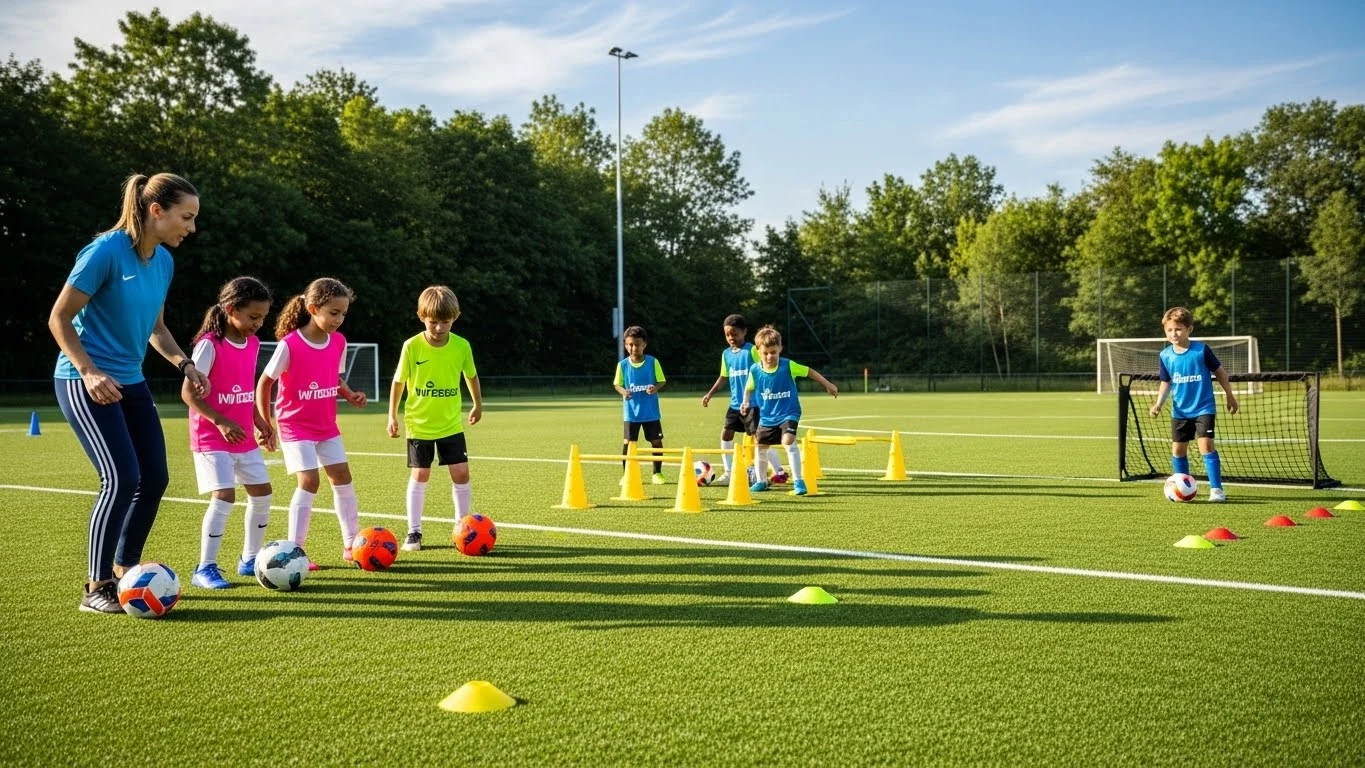
Soccer is one of the most popular sports in the world. Many children love playing it for fun and exercise. Youth soccer training programs help young players learn skills, improve fitness, and enjoy the game safely. These programs are designed for beginners and advanced players alike. They focus on teamwork, discipline, and confidence while making sure training is fun. Whether your child dreams of playing professionally or just wants to enjoy the sport, joining a youth soccer program is a great way to start.
1. Benefits of Youth Soccer Training Programs
Youth soccer training programs are more than just running and kicking a ball. They help children develop physically, mentally, and socially.
- Physical Fitness: Soccer improves strength, speed, balance, and coordination. Regular training keeps kids active and healthy.
- Skill Development: Players learn passing, dribbling, shooting, and defending. Training programs help improve these skills step by step.
- Teamwork and Communication: Soccer is a team sport. Young players learn to work with others, share responsibilities, and communicate on the field.
- Confidence and Discipline: Regular practice builds self-confidence. Children learn discipline, focus, and how to set goals.
- Fun and Enjoyment: Programs make learning enjoyable. Kids play games and challenges that keep them excited about soccer.
Youth soccer training programs offer a balance of learning and fun, making them suitable for children of all ages.
2. Types of Youth Soccer Training Programs
There are several types of programs designed to suit different ages and skill levels.
2.1 Beginner Programs
Beginner programs are for kids who are new to soccer. They focus on basic skills like kicking, passing, and simple teamwork. Sessions are short, usually 30–60 minutes, to match young attention spans. Coaches use fun drills and games to make learning easy.
2.2 Advanced Programs
These programs are for kids with some soccer experience. Training includes advanced techniques, tactics, and game strategies. Players practice more challenging drills and may participate in local competitions.
2.3 Academy Programs
Soccer academies provide full-time training. They combine skill development, fitness, and personal growth. Many academies also focus on nutrition, mental training, and sportsmanship. Academies often prepare players for professional careers.
2.4 Summer Camps and Clinics
Summer soccer camps are short-term programs, usually lasting a few days to a few weeks. These camps focus on intensive skill training and fun activities. Clinics target specific skills like goalkeeping, dribbling, or shooting.
By choosing the right program, parents can ensure their children enjoy soccer while improving at their own pace.
3. Key Components of a Good Training Program
A high-quality youth soccer program includes several important components.
3.1 Professional Coaches
Experienced and friendly coaches guide children safely. They teach techniques correctly and encourage positive behavior. Coaches also help kids set goals and track progress.
3.2 Skill Drills
Programs include drills for passing, shooting, dribbling, and defending. Drills are age-appropriate and help children gradually improve their abilities.
3.3 Fitness Training
Soccer requires running, agility, and endurance. Programs include fitness exercises like sprints, jumping, and balance drills to improve overall athleticism.
3.4 Game Practice
Playing games helps kids use their skills in real situations. Coaches organize small matches, scrimmages, and tournaments. This practice develops teamwork, strategy, and decision-making.
3.5 Safe Environment
Safety is essential in youth soccer. Programs provide proper equipment, safe fields, and warm-up routines to prevent injuries. Coaches teach children how to play safely and respect others.
With these components, children can enjoy soccer, improve their skills, and stay safe.
4. Tips for Parents Choosing a Program
Parents play an important role in their child’s soccer journey. Here are some tips to choose the best training program:
- Check Coach Qualifications: Make sure coaches are trained and experienced in youth soccer.
- Age-Appropriate Training: Choose a program that suits your child’s age and skill level.
- Focus on Fun: Look for programs that balance learning with enjoyable activities.
- Safe Facilities: Ensure the program uses safe fields and proper equipment.
- Reviews and Recommendations: Ask other parents or read online reviews to find trusted programs.
- Flexible Schedule: Select a program that fits your family’s schedule without causing stress.
Supporting your child positively and choosing the right program helps them enjoy soccer and grow as a player.
5. How to Support Your Child’s Soccer Journey
Parents can encourage their children outside of training sessions:
- Practice at Home: Simple drills like passing or juggling improve skills.
- Watch Soccer Together: Watching professional matches teaches tactics and inspires young players.
- Encourage Healthy Habits: Proper nutrition, hydration, and sleep support physical growth.
- Celebrate Achievements: Praise effort and progress, not just winning games.
- Be Positive: Encourage teamwork, respect, and love for the game.
A supportive environment helps children gain confidence, enjoy soccer, and stay motivated.
Conclusion
Youth soccer training programs are a great way for children to learn, grow, and enjoy the game. They offer physical exercise, skill development, teamwork, and fun in a safe environment. From beginner programs to advanced academies, there is something for every young player. Parents can support their children by choosing the right program, encouraging practice, and celebrating progress. Soccer is not just a sport; it teaches life skills that last a lifetime. Joining a youth soccer program is the first step toward building strong, confident, and happy players.

Discover the latest tips, quotes, and insights from Harshsal Symond on Pickupmastar.com. Explore creative ideas and master the art of connection today!